‘Mahaparva’ Makar Sankranti 2026 – A Day to Invite Wellness and Energy in Life
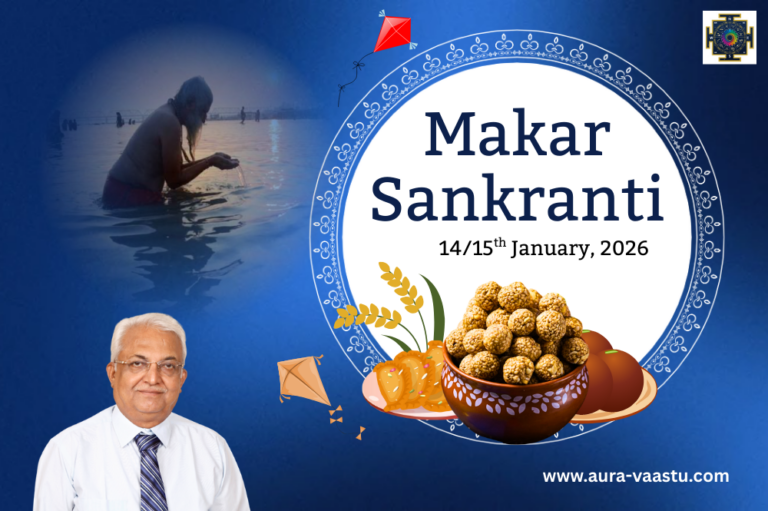
Makar Sankranti is one of the most auspicious festivals in the Hindu calendar, marking the precise moment the Sun enters the zodiac sign of Capricorn, or Makara. This event signals the end of the winter solstice and the beginning of the Uttarayan period. Makar Sankranti serves as a profound symbol of renewal and the triumph of light over darkness.
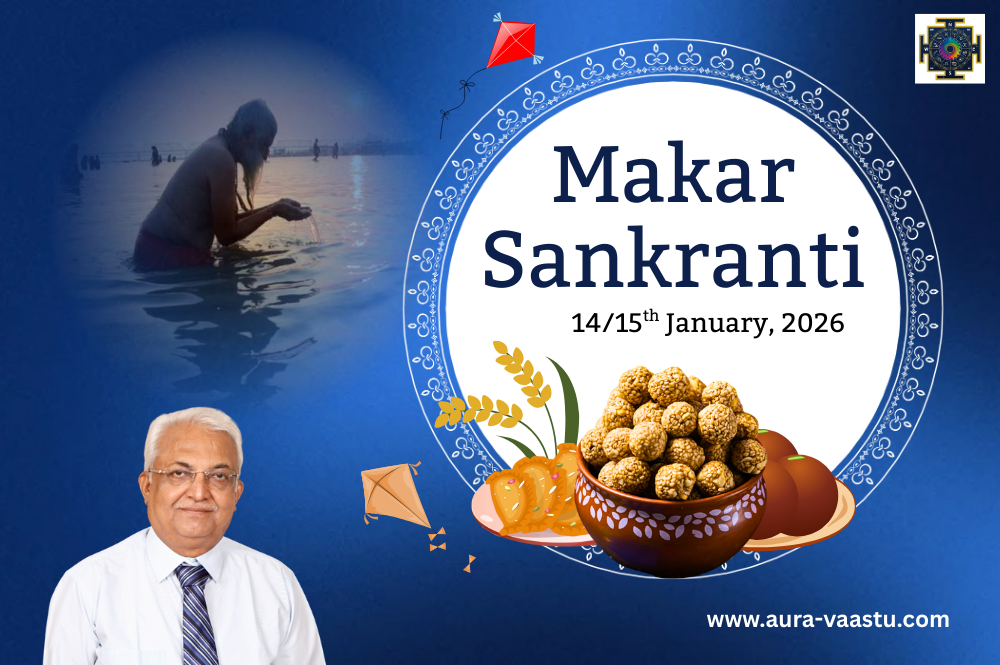
When the sun makes a transition from Dhanur Rashi to Makar Rashi, it is known as ‘Makar-Sankranti’. This year this event will take place on Wednesday, 14th January 2026 at 15:07 hours (IST).
Punya Kaal of Sankranti will be between 03:13 pm to 05:45 pm. Duration 2 hours 32 minutes. Mahapunya Kaal will be from 03:13 to 04:58 pm i;e, duration 01:45 minutes. This is most auspicious period for Snan, Daan, Surya Arghya and Donation or Charity as per Shastras.
As the Surya Sankraman is after 3 pm on 14th January 2026 on Ekadashi, Makar Sankranti may be celebrated on 15th January 2026. Punya Kaal will be till 13 hours on 15th. Vaishnabites observing Ekadashi will celebrate Makar Sankranti on 15th. Shaivaites and others should celebrate on 14th.
The Auspicious Uttarayan Period of Makar Sankranti 2026
From the commencement of this day, the sun turns Uttarayan or sets in the northern path; according to Indian Shastras, the period of Uttarayan is considered as day while the period of Dakshinayan is considered as night for the gods. Thus, Makar Sankranti can be regarded as the beginning of day time for the divine powers. Makar Sankranti marks the beginning of a favourable phase when all kinds of auspicious ceremonies and sacred rituals can be performed by the people. This day brings an end to the inauspicious period which had begun around mid-December. Interestingly, the sun during the Uttarayan period is known as ‘Mitra’ or friend as its rays help us to attain good health, positivity and strength. Hence, Sun God is also shown reverence on this day. On a spiritual level, Makar Sankranti signifies enlightenment, happiness, peace and prosperity after a gap of darkness and ignorance. It is a ‘Swyam Siddha Muhurta’ in which all kinds of auspicious ceremonies and rituals are sanctified. That is why this Parva is Maha Parva.
Rituals Followed on Makar Sankranti
On this day, bathing in holy waters, doing charity, chanting the Holy name of god, meditation and religious ceremonies have a great importance. It is a common belief that all the gods and goddesses change their forms and visit “Prayag” which is the confluence of Ganga, Yamuna and Saraswati to take bath. Therefore, a sacred dip in Prayag is undoubtedly the most auspicious one to purify oneself and acquire ‘Punya’. As per the Hindu scriptures, it is said that any kind of charity done on this day is received back later by a hundredfold. Making donations of butter, cereals, blanket has a special significance on this day.
One who donates these 14 items is believed to attain moksha or liberation after enjoying all the pleasures of life. Following are the items in general:- Woolen Blankets, Warm Clothes, Rice, Urad Dal, Seasamme Seeds (Til), Jaggery (Gur), Pure, Ghee, Salt, Khichdi (Rice and Leutils), Tilkut (Sweet made of seasame and jiggery) Gajak or Tilkatrsand and Kite for entertainment.
On the day of Makar Sankranti bathing in the sacred river of Ganga and doing all kinds of charity work on the banks of Ganga is regarded highly auspicious.
A Special Occasion for all Around
Makar Sankranti is celebrated in different names and by following different rituals across the country. It is also one of the most important harvest festivals celebrated in many parts of India. In Gujarat, this festive day turns into a kite flying occasion. As the kites soar high, the winter sky is blanketed with a colourful hue.
Makar Sankranti is named as ‘Khichdi’ in Bihar, Jharkhand and Uttar Pradesh. This is why it is a ritual to eat khichdi and donate Khichdi-Til (sesame seeds) in Uttar Pradesh, Bihar and Jharkhand. In Maharashtra, married women donate oil, cotton, salt etc. to other women.
In West Bengal, people follow the ritual of donating sesame seeds after bathing. In Southern India, this holy occasion is known as Pongal. People offer freshly harvested rice grains, lentils and sesame seeds to ‘Krishi God’ and express their reverence and gratitude towards the Almighty.
Bhogali or Magh, Bihu also Sri Tushoo Puja is done in Assam and hills. In Assam, the festival of Bihu is celebrated on this day. As per the rituals in Rajasthan, a married woman offers a variety of sweets such as sesame Laddoos, Ghevar and Motichur Laddoos along with coins to her mother-in-law and seeks her blessings. In Punjab and Jammu Kashmir, Makar Sankranti is celebrated by the name of Lohri a day ahead of the Sun’s transit to Makar Rashi.
During Makar Sankranti, many kinds of fairs are organized in the entire country as a part of celebration and fun. One of the most popular fairs of India is held in Ganga Sagar, West Bengal. In Prayag, Allahabad, people enjoy and participate in a month-long ‘Magh’ Mela or Parva from Shatila Ekadashi 14th January 2026 to 13th February 2026 Vijaya Ekadashi.
Though Makar Sankranti is celebrated in different parts of the country by observing different kinds of rituals, the spiritual, religious and social significance of this holy day remains the same everywhere.
Just like Makar Sankantri marks a new beginning, this new year can also be considered as a new beginning for your life. Visit the Aura Vaastu homepage to get 2026 predictions absolutely FREE! All you have to do is give your details and your moon sign rashi (Mesh, Vrishabh, etc.) and you’ll get free predictions. You can also contact us if you want fully personalized prediction.
Enhance your life with our support in 2026.