
My Blog

Pitri Paksha: A Day to Honour Our Ancestors

Pitri Paksha

What is Pitri Paksha?

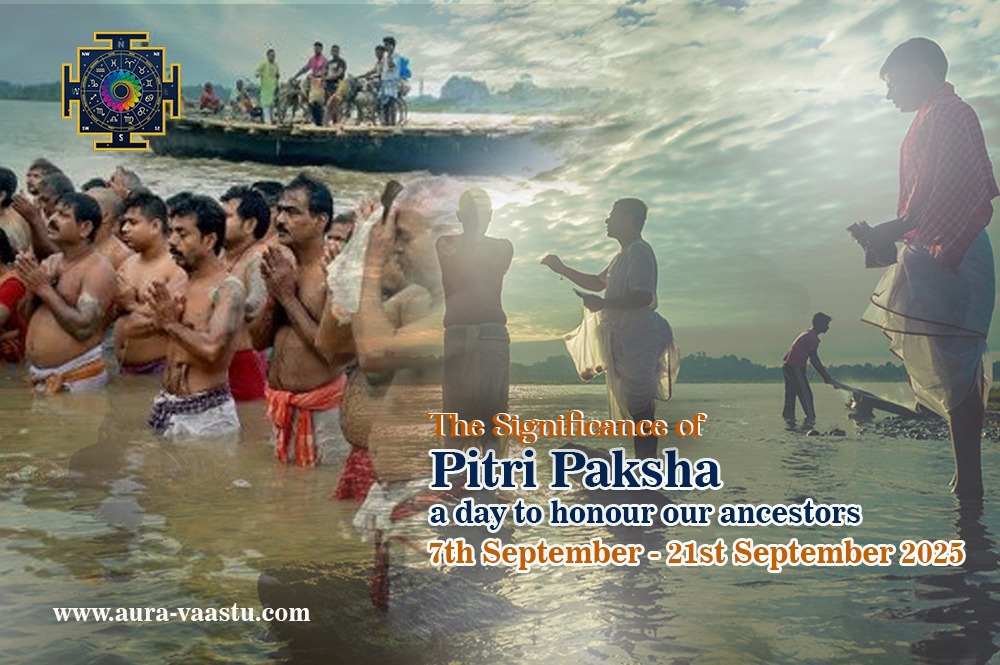
Pitri Paksha or Shraddha Paksha is a period of 15 days from Bhadrapada Shukla Purnima to Ashwin Krishna Amavasya. During this time, the Hindus perform Tarpan and Shraddha rituals to pay homage to their departed ancestors. These rituals for a particular ancestor are performed on the Tithi when that person left for the heavenly abode. This year, Shraddha Paksha remains from the 7th to 21st September.

The Identity of Pitra

Pitra or the guardian spirit exists in one of the 84 lakh yonis (the forms in which life exists in different planes as per Hindu beliefs). In general we consider our ancestors as Pitra but this is just one of the meanings of the word. Pitras are divine souls which are believed to exist in different Lokas (planes of existence) from which gods, human beings etc originate. Being extremely powerful, they bless a person with a long, happy and successful life, when they are satisfied. In fact, the Pitras have the power to even grant moksha or liberation to human beings when they are pleased with their service. However, in case the Pitras are angry or feel ignored then their wrath destroys the peace and prosperity of a family.

The Significance of ‘Pitra’ in Traditional Scriptures

In Vedic scriptures, the Pitra has been regarded as a separate entity different from gods and human beings. In Rigveda, it is stated that after the last rites of a dead person, Agni or Fire carries the deceased soul to its group of Pitras or ancestors. It is prayed and wished that the deceased soul joins its ancestors in the best Loka.

How is ‘Pitra Dosha’ Caused?

In simple terms, Pitri dosha can be related with the problems that arise as a result of any negligence done towards the Pitras or ancestors. The condition when the Pitras are grieved and do not shower blessings upon the family members is known as Pitri Dosha. Pitras get angered very easily but also cool down quickly. When the immediate ancestors (Pitra) get hurt, the early ancestors or divine Pitras (they are believed to have reached the divine plane) too are pained. The divine Pitras also turn angry for various other reasons thus causing Pitri Dosha. Hence, Pitri Dosha is caused both by the effects of the immediate ancestors and divine souls.

The 41 ‘Pitra’ that cause ‘Pitra Dosha’


  1. Father (Pitah)
  2. Grandfather (Dada)
  3. Paternal Great grandfather (Pardada)
  4. Mother (Mata)
  5. Grandmother (Dadi)
  6. Paternal Great grandmother (Pardadi)
  7. Step mother (Sauteli Maa)
  8. Maternal Grandfather (Nana)
  9. Maternal Great grandfather (Parnana)
  10. Maternal Great great grandfather (Vriddha Parnana)
  11. Maternal Grandmother (Nani)
  12. Maternal great grandmother (Parnani)
  13. Maternal Great great grandmother (Vriddha Parnani)
  14. Wife (Patni)
  15. Daughter (Putri)
  16. Uncle (Chacha)
  17. Aunty (Chachi)
  18. Cousin brother (Chachera Bhai)
  19. Uncle (Mama)
  20. Aunty (Mami)
  21. Cousin brother (Mamera bhai)
  22. Brother (bhai)
  23. Sister-in-law (Bhabhi)
  24. Nephew (Bhatija)
  25. Aunty (Buwa)
  26. Uncle (Phupha)
  27. Cousin brother (buwa ka putra)
  28. Aunty (Mausi)
  29. Uncle (Mausa)
  30. Cousin brother (Mausa ka putra)
  31. Sister (Behen)
  32. Sister’s husband (Behnoi)
  33. Nephew (Behen ka putra)
  34. Father-in-law (Sasur)
  35. Mother-in-law (Saas)
  36. Teacher (Guru)
  37. Wife of teacher (Guru Patni)
  38. Student (Shishya)
  39. Personal guard (Sangrakshak)
  40. Friend (Mitra)
  41. Servant (Sevak)

Ancestors who exist in the pisach (demon) yoni also create Pitri Dosha.

Do not commit the following mistakes

Many a times, family members commit mistakes due to which they have to go through the ordeal of Pitri Dosha. Some of the common instances are:

  1. Acting against the tradition and culture of the family.
  2. Negligence of daily yagnas, four purusharthas (dharma, artha, moksha, kaama) and the respective religious and social duties.
  3. Leading a life full of bad habits and treachery.
  4. Getting involved in crime related activities.
  5. Tussle between siblings for ancestral property.
  6. Ill treatment of the wife or husband of a deceased family member.
  7. Absence of daily prayers in the house.

Recent Posts

Yearly 2026 Predictions
Yearly 2026 Predictions of 12 Moon Sign Rashis
Yearly 2026 Predictions of 12 Moon Sign Rashis Yearly...
Durga Puja 2025
Durga Puja: The Homecoming of Devi Durga
Durga Puja: The Homecoming of Devi Durga Durga...
Vishwakarma Puja 2025
The Significance of Vishwakarma Puja “Om...
Pitri Paksha
Pitri Paksha - A Day to Honour Our Ancestors
Pitri Paksha: A Day to Honour Our Ancestors What...
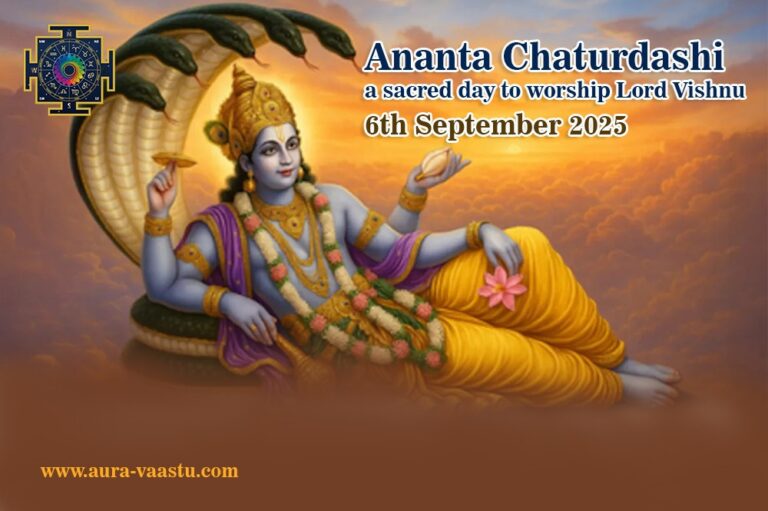
Ananta Chaturdashi 2025
Ananta Chaturdashi – A Sacred Day to Worship Lord Vishnu
Observing Ananta Chaturdashi Vrata Drives...
total lunar eclipse 2025
Total Lunar Eclipse 2025
Blood Moon: The Total Lunar Eclipse of 2025 Month...
Ganesh Chaturthi 2025
Ganesh Chaturthi - The Mantra of Sure Success
Ganesh Chaturthi 2025 In...
Shree Krishna Janmashtami
What Are The Rituals of Shree Krishna Janmashtami?
Shree Krishna Janmashtami Why...
Independence Day 2025
The Significance of Independence Day
The Significance of Independence Day Independence...
Raksha Bandhan 2025
Raksha Bandhan – The Eternal Bond of Love and Affection
Raksha Bandhan – The Eternal Bond of Love...